Dr. BasantMahadevappa
About Image

Dr. Basant Mahadevappa

Know More

Liver & GI Surgeon

Where Experience, Precision, & Compassion Meet Advanced Surgery

About Image

Dr. Basant Mahadevappa


Dr. Basant Mahadevappa is a highly accomplished clinician in Bangalore.  He specialises in:

  • Gastrointestinal/ Hepatopancreatobiliary (HPB) Surgeries
  • Multiorgan Transplant Surgery
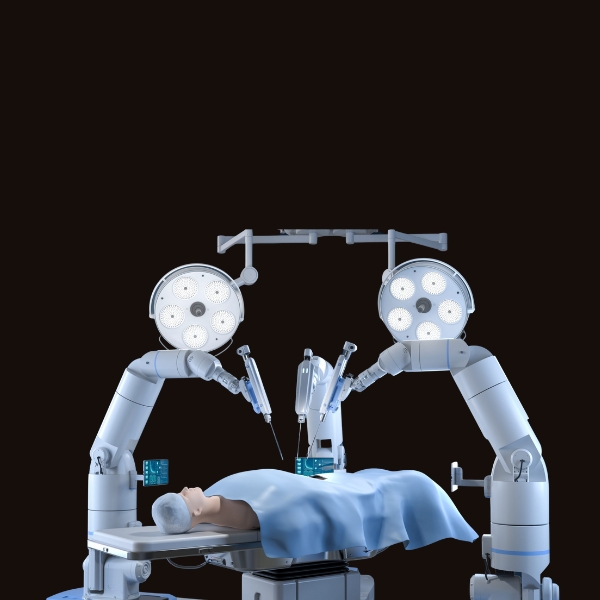
  • Robotic surgeries
  • Oncology: GI/HPB
  • Percutaneous surgeries

With over 20 years of experience in the field, he has established himself as a pioneer in advanced liver transplantations and liver surgeries, particularly in robotic and laparoscopic liver resections.

Holds the distinction of performing India's highest series of ALPPS (Associating Liver Partition with Portal Vein Ligation for Staged Hepatectomy) procedures (Including Robotic) and Gastrointestinal and Hepatobiliary Oncology. His contributions extend beyond clinical practice to advancing surgical techniques, training future surgeons, and expanding access to complex liver/ GI surgeries across India, particularly in underserved regions like North Karnataka and Northeast India.

Dr. Mahadevappa's work has garnered recognition from:

  • Academic institutions – Publications cited in research worldwide
  • Professional societies – Membership and leadership roles in multiple international organizations
  • Healthcare community – Invited faculty at national and international conferences
  • Patients – High satisfaction ratings and testimonials
Know More

Why Choose Dr. Basant?

With over 12 years of surgical experience, Dr. Basant specializes in liver transplant and gastrointestinal surgeries.

12+ Years of Experience

Extensive surgical expertise

Minimally Invasive

Fast recovery procedures

Patient-Centered Care

Compassionate treatment

Blogs

Why Lifestyle Is Causing Liver Failure: A Surgeon’s Reality Check

Protecting Your Liver: Returning to Basics to Prevent Silent Liver Disease

In a clinical reflection, HPB and liver transplant surgeon Dr. Basant Mahadevappa highlighted a troubling trend: an exponential rise in patients presenting with advanced liver disease requiring surgical procedures. The most critical takeaway from his observation is that the vast majority of these cases stem from preventable causes. Modern lifestyle factors, dietary shifts, and lack of routine awareness are overburdening vital organs day in and day out. Reversing this trajectory requires understanding what drives chronic liver damage and returning to everyday, foundational health habits.

The Growing Burden of Preventable Liver Disease

According to data from the World Health Organization (WHO) and the Centers for Disease Control and Prevention (CDC), chronic liver conditions, predominantly cirrhosis, liver failure, and hepatocellular carcinoma, represent major global causes of morbidity and mortality.

The liver performs over 500 vital metabolic, detoxifying, and synthesis functions. However, it often sustains injury quietly. Early stages of chronic liver damage rarely show clear symptoms until significant fibrosis or irreversible scarring (cirrhosis) has developed. The surge in chronic liver disease is largely driven by three manageable factors:

  • Metabolic Dysfunction-Associated Steatotic Liver Disease (MASLD / NAFLD): Linked closely with sedentary lifestyles, ultra-processed food consumption, visceral obesity, and type 2 diabetes. As fat accumulates in liver cells, it triggers inflammation (steatohepatitis) and progressive scarring.
  • Alcohol-Associated Liver Disease (ALD): Chronic or binge alcohol consumption causes persistent cellular stress, oxidative injury, and progressive necrosis in liver tissue.
  • Chronic Viral Hepatitis: Primarily Hepatitis B and Hepatitis C, which silently destroy liver architecture over decades if left undetected.

Why "Going Back to the Basics" Works?

As Dr. Mahadevappa emphasized, protecting the liver does not require extreme measures; it requires consistency in basic, everyday habits. Because early-stage liver damage and steatosis are often reversible, foundational lifestyle changes yield measurable results.

  • Nutrient-Dense, Unprocessed Nutrition: Adopting whole-food dietary patterns, such as the Mediterranean diet, significantly lowers hepatic fat and systemic inflammation. The CDC and WHO recommend limiting sugar-sweetened beverages, refined carbohydrates, and saturated fats, which contribute directly to hepatic insulin resistance.
  • Routine Physical Activity: The WHO recommends at least 150–300 minutes of moderate-intensity aerobic exercise per week. Regular physical activity reduces liver triglycerides and improves insulin sensitivity, independent of total weight loss.
  • Limiting or Eliminating Alcohol: For individuals with metabolic risks, elevated liver enzymes, or pre-existing hepatic inflammation, total abstinence or strict limitation is essential to prevent rapid fibrosis progression.
  • Screening and Vaccination: Chronic Hepatitis B is preventable via vaccination, and Hepatitis C is curable with direct-acting antivirals. The CDC recommends universal adult screening at least once for Hepatitis C and routine risk-based Hepatitis B evaluation.
  • Judicious Medication and Supplement Use: Over-the-counter painkillers (such as paracetamol/acetaminophen in high doses), non-prescribed herbal supplements, and unregulated health tonics can cause drug-induced liver injury (DILI) when taken indiscriminately

What you must do?

If you have risk factors—such as a sedentary routine, diabetes, excess weight, or a family history of liver disorders—ask your primary physician about routine liver function tests (LFTs) and an abdominal ultrasound or elastography screening. Educating families and younger generations on balanced diets, daily physical movement, and routine checkups remains the most effective defense against end-stage liver disease. Simple, proactive daily choices keep vital organs working smoothly long before surgery or complex medical interventions ever become necessary.

Liver Transplant: A Patient and Caregiver’s Guide

Navigating a diagnosis of end-stage liver disease or liver cancer can be overwhelming for both patients and their families. However, advancements in medical science have made liver transplantation a highly successful and safe solution for those in need.

What is a Liver Transplant?

A liver transplant is a life-saving procedure where a diseased or cancerous liver is replaced with a healthy one. This surgery is typically recommended for patients with advanced liver damage (cirrhosis) caused by conditions such as Hepatitis B or C, alcohol use, autoimmune disorders, NASH (Non-Alcoholic Steato Hepatitis), or metabolic disorders. It is also a primary treatment for certain types of liver cancer.

Is the Procedure Safe?

Modern liver transplantation is a well-established and safe procedure. Statistics show a one-year survival rate as high as 96%, with a three-year survival rate remaining around 90% for most patients. At HCG, the team has achieved a 100% success rate using advanced surgical techniques like cavaplasty.

The surgery itself typically lasts between 8 to 10 hours, depending on the complexity of the recipient's condition and the donor's anatomy.

Understanding Your Donor Options

There are two primary ways a patient can receive a healthy liver:

  • Living Donor: A family member or relative (aged 18-55) can donate a portion of their liver. This is a safe process because the liver has a remarkable ability to regenerate; approximately 80% of the donor’s liver grows back within just 3 to 4 weeks.
  • Deceased (Cadaveric) Donor: A liver can be donated by an individual who has been declared brain dead. Patients must register with the appropriate transplant organization to be eligible for this type of donation.

The Journey: From Workup to Recovery

Before the surgery, both the patient and the donor undergo a comprehensive workup that evaluates their clinical, social, financial, and psychological readiness to ensure the best possible outcome.

Post-Surgery Care:

  • For Recipients: You will require lifelong follow-up care. Initially, visits are frequent (up to 3 months), but eventually, most patients only require one daily medication under the guidance of their physician.
  • For Donors: Most donors are discharged within a week and require no long-term medications.
  • Medications: Recipients will take immunosuppressive drugs (such as Tacrolimus or steroids) to prevent organ rejection. While these are vital, they can have side effects like increased risk of infection, high blood sugar, or high blood pressure, which your medical team will help you manage.

Why Choose Dr Basant for Hepatobiliary Care?

The HCG Liver Transplant and Hepatobiliary Program, established in 2009, is led by experienced surgeons like Dr. Basant Mahadevappa, who specialized at New York Medical College. The program is known for:

• Mastery of the cavaplasty technique, leading to excellent outcomes.

• Expertise in complex procedures like the ALPPS procedure for extensive liver tumors.

• High surgeon-to-patient ratios, ensuring personalized and attentive care.

If you or a loved one is facing liver disease, remember that transplantation is not just a surgery, it is a path toward reclaiming your health and quality of life. For more information or to begin the evaluation process, consult with a transplant specialist to discuss your unique needs.